
Soya and Hormones in Children
Concerns about soya and hormones—especially in children—are becoming more common as soy appears in more everyday foods. This article explores our family’s experience and what we learned along the way.
Disclaimer
This article is for informational purposes only and reflects our personal experience and independent research as a family. It is not medical advice. Bodies respond differently to foods, especially during childhood and puberty. If you have concerns about growth, hormones, allergies, or digestion, speak to a qualified health professional.
Why I’m Writing This
For years, soy was presented to us as a healthy, affordable, plant-based staple. As a vegetarian family with limited money when our children were little, soy seemed like a sensible choice. It was everywhere, inexpensive, and marketed as nutritious.
Over time, though, I began to feel uneasy. Not because of one dramatic moment—but because of a growing pattern of observations and research that didn’t quite line up with the reassuring headlines.
👉This post isn’t about fear. It’s about awareness.
How Soy Became a Daily Staple (Without Us Realising)
When our children were small, soy quietly crept into our kitchen through:
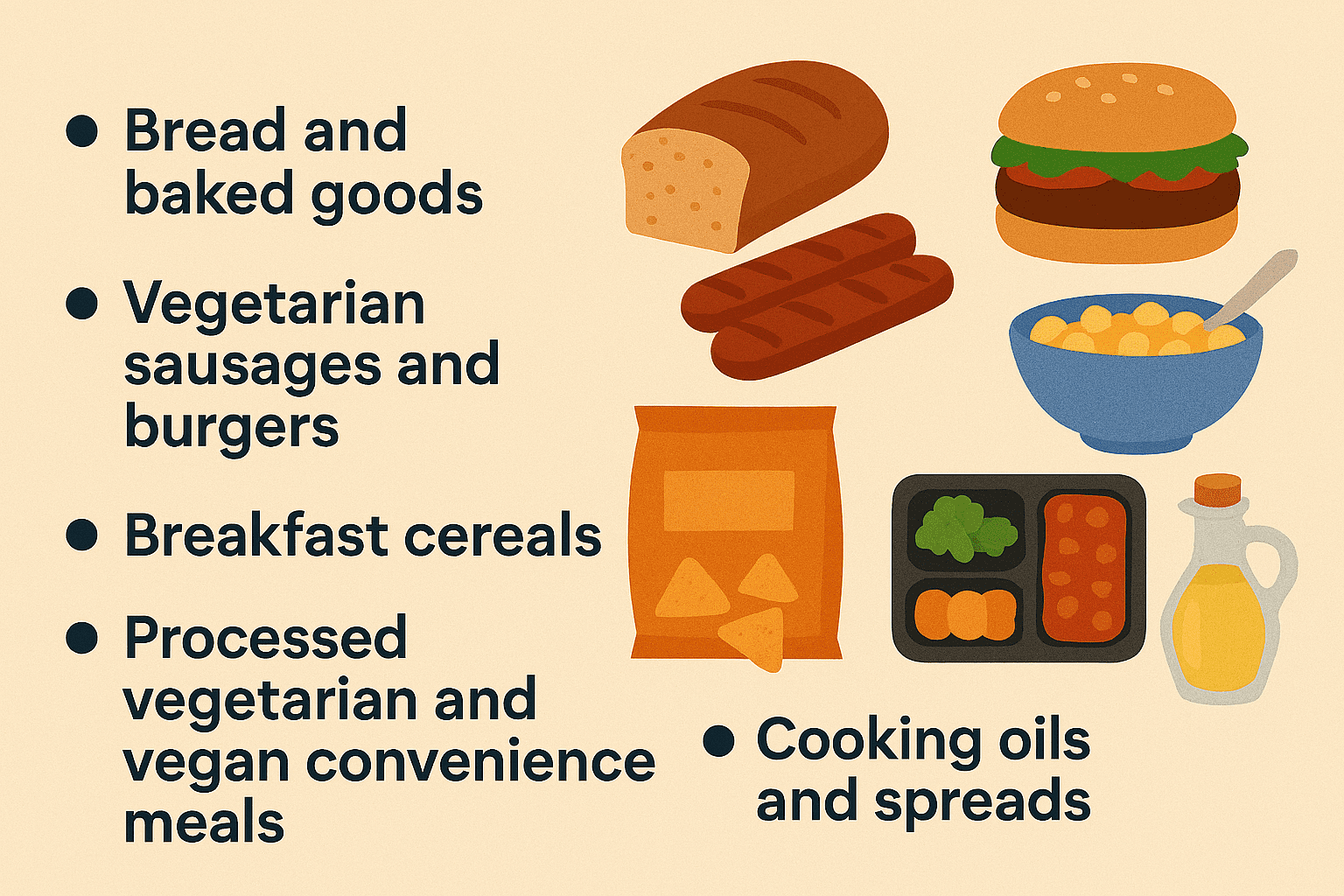
We weren’t feeding bowls of soybeans or tofu every day. Soy was simply hidden everywhere.
At the time, we trusted labels that said things like “plant-based,” “heart healthy,” or “high protein.” Looking back, that trust was probably too generous.
What Changed for Us
The first shift didn’t come from symptoms—it came from information. I started hearing concerns about soy and children, particularly around hormones. I didn’t panic. I just took note.
Later, as our daughters grew older, something else stood out.
Their bodies seemed to mature earlier than expected. And not just ours—friends, other families, conversations at playgroups. Girls developing at nine, ten years old, while in my generation (and my mother’s), puberty usually arrived several years later.
The common explanation was:
“That’s just how kids are nowadays.”
But that didn’t sit right with me. Human biology doesn’t radically shift in one or two generations without environmental or dietary pressures🤔 .
That’s when I started looking more seriously at soy.
What Soy Actually Is
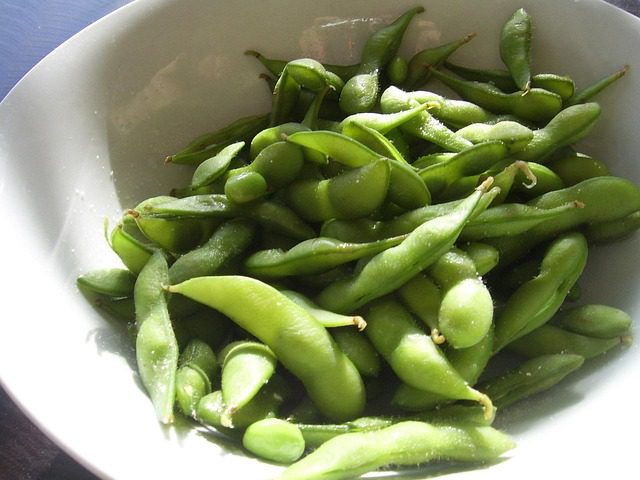
Soy comes from the soybean, a legume. In its whole form, it can be:
Cooked soybeans (edamame)

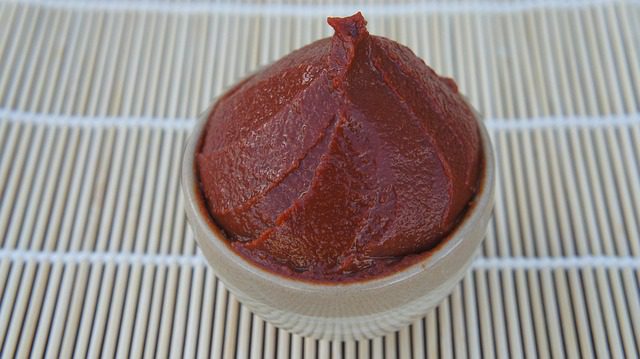
Traditionally fermented foods like miso,
tempeh,
and natto
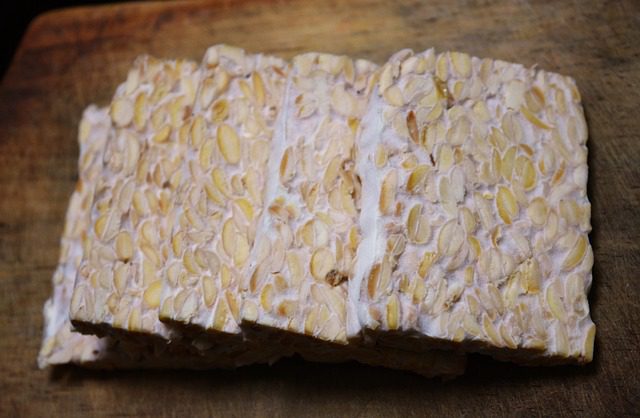
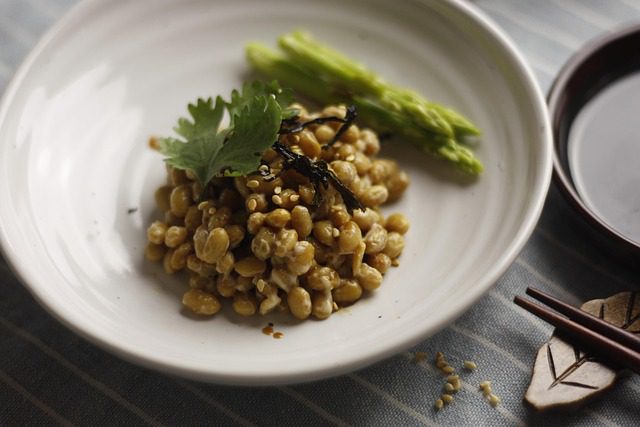
However, most soy consumed today isn’t eaten this way at all.
How a Bean Turns Into Modern Soy Products
Here’s the part many people never see.
Highly processed soy foods undergo intense industrial processing that strips away much of the bean’s natural structure and nutrients.
Most modern soy foods are made by:
Crushing soybeans into a slurry (a thick, wet paste)
Separating fats, proteins, and fibres
Chemically or mechanically extracting components
Recombining them into powders, isolates, oils, and additives
This process creates ingredients such as:
Soy protein isolate
Soy lecithin
Soybean oil
Textured vegetable protein (TVP)
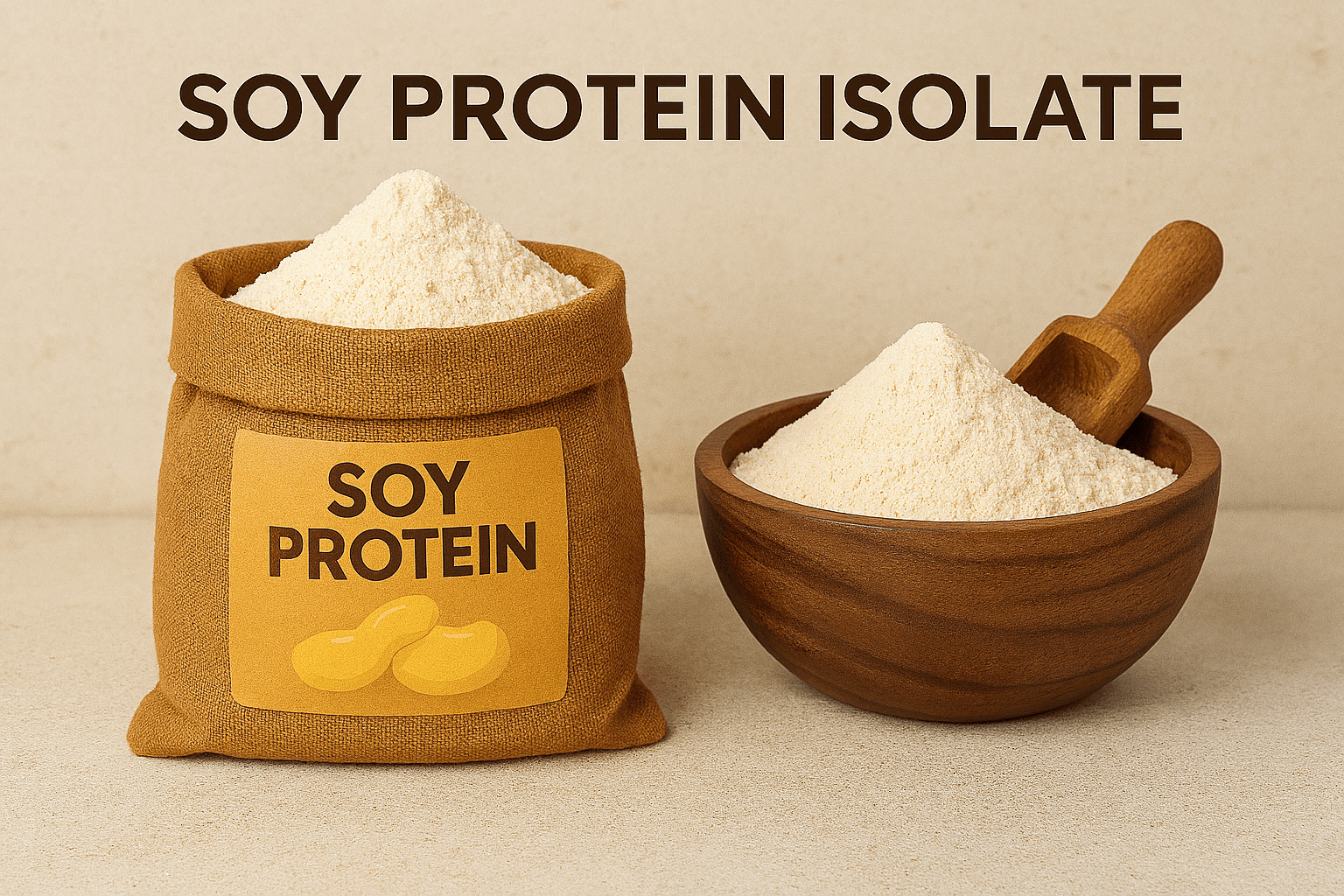
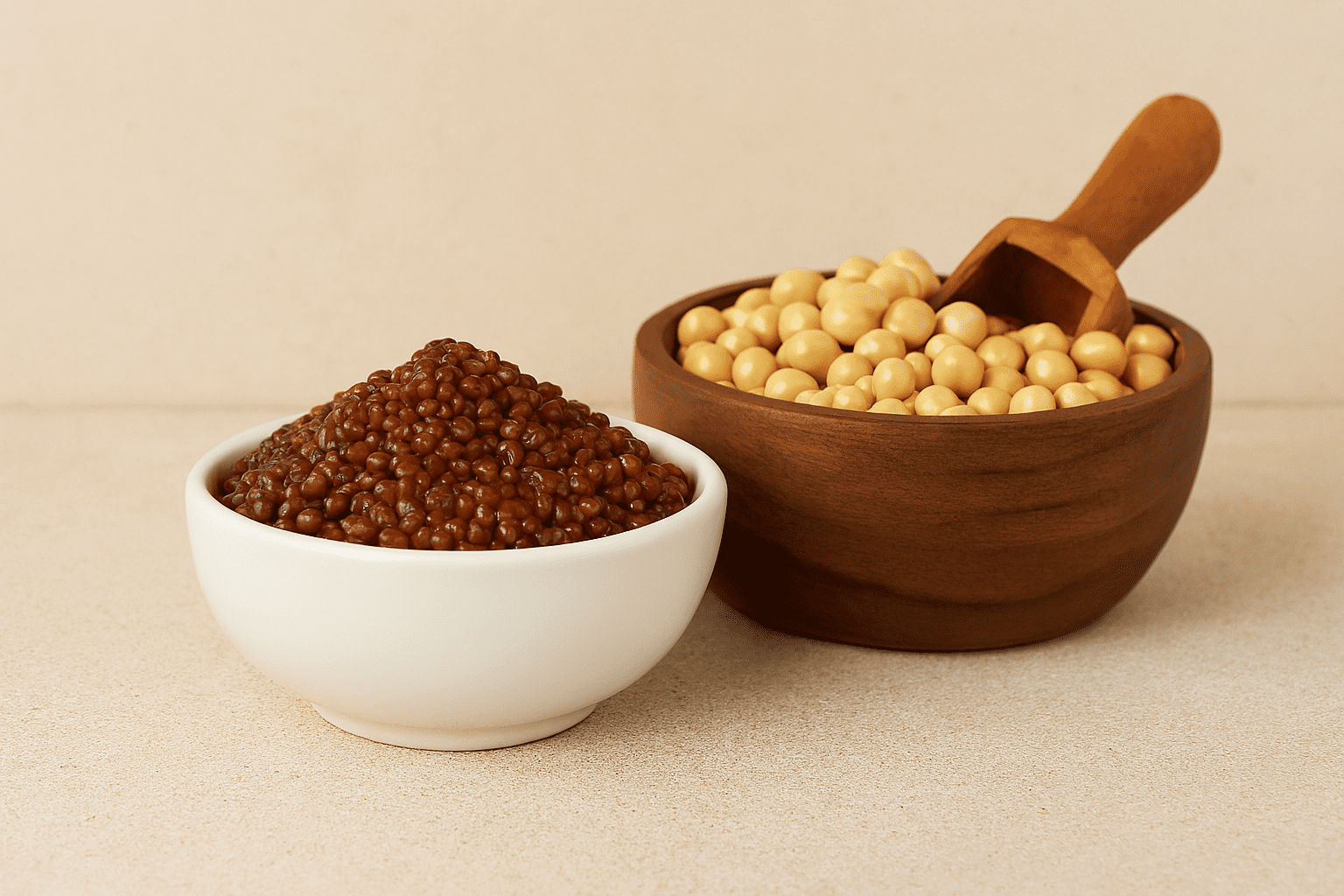
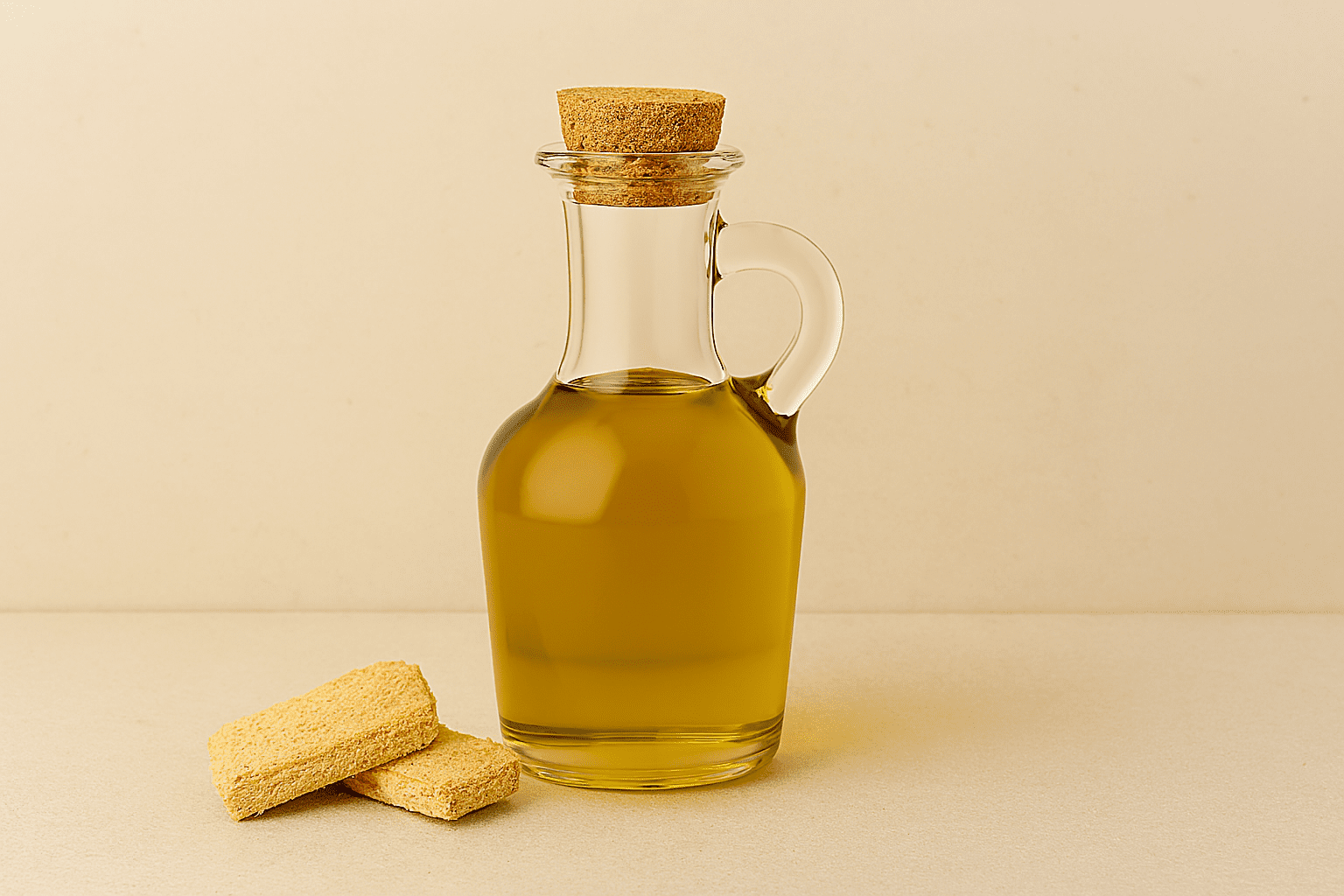
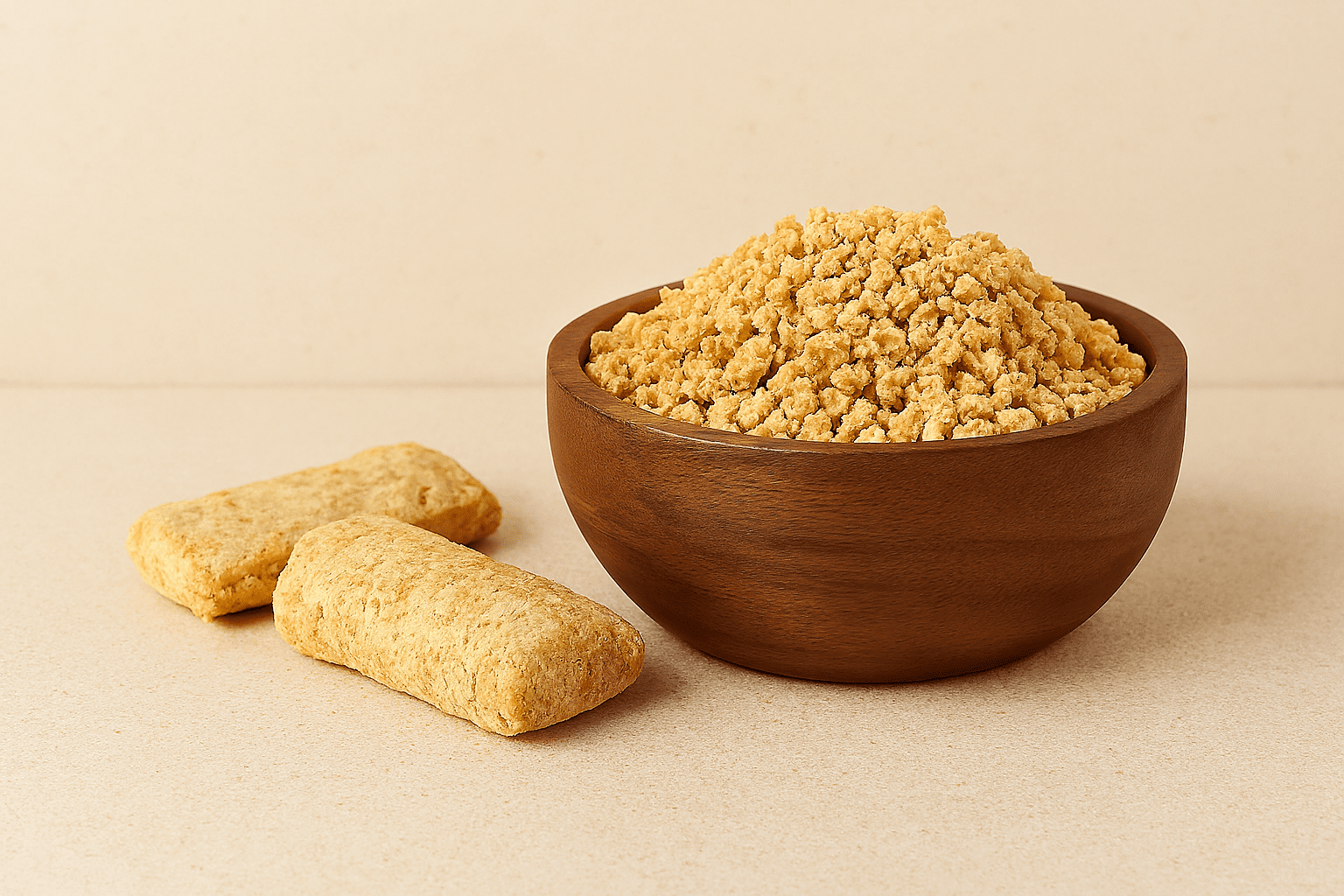
These are then added to countless packaged foods.
What “Highly Processed Soy” Means
Highly processed soy:
Is stripped of its natural structure
Often comes from genetically modified crops
It is easy to blend into foods without taste or texture
Is shelf-stable (meaning it can be stored at room temperature for long periods without spoiling)
This makes it extremely attractive to food manufacturers.
Why Soy Is Cheap to Grow and Easy to Process
Soy is cheap because:
It grows quickly and in large quantities
Soya receives heavy agricultural subsidies (meaning governments financially support its production)
Almost every part of the bean can be industrially extracted and sold
The resulting ingredients last a long time and travel well
From a business perspective, it’s ideal.
From a nutritional perspective, it deserves serious examination>>>
Concerns about Soya and Hormones – Especially in Children
Soy contains compounds called isoflavones, which are phytoestrogens—plant compounds that can mimic estrogen in the body.
Researchers disagree on how strong these effects are, but concerns increase when:
Soy intake is high
Exposure starts early in childhood
The soy is highly processed rather than traditionally prepared
Some studies have explored links between early soy exposure and earlier pubertal development, while others find minimal effects. Concerns around highly processed soy, phytoestrogens, and hormone balance have also been raised by some clinicians and nutrition-focused practitioners.
What is clear is that children today are exposed to far more soy, far earlier, than previous generations ever were.
That matters.
Fermented vs Unfermented Soy
Not all soy is the same.
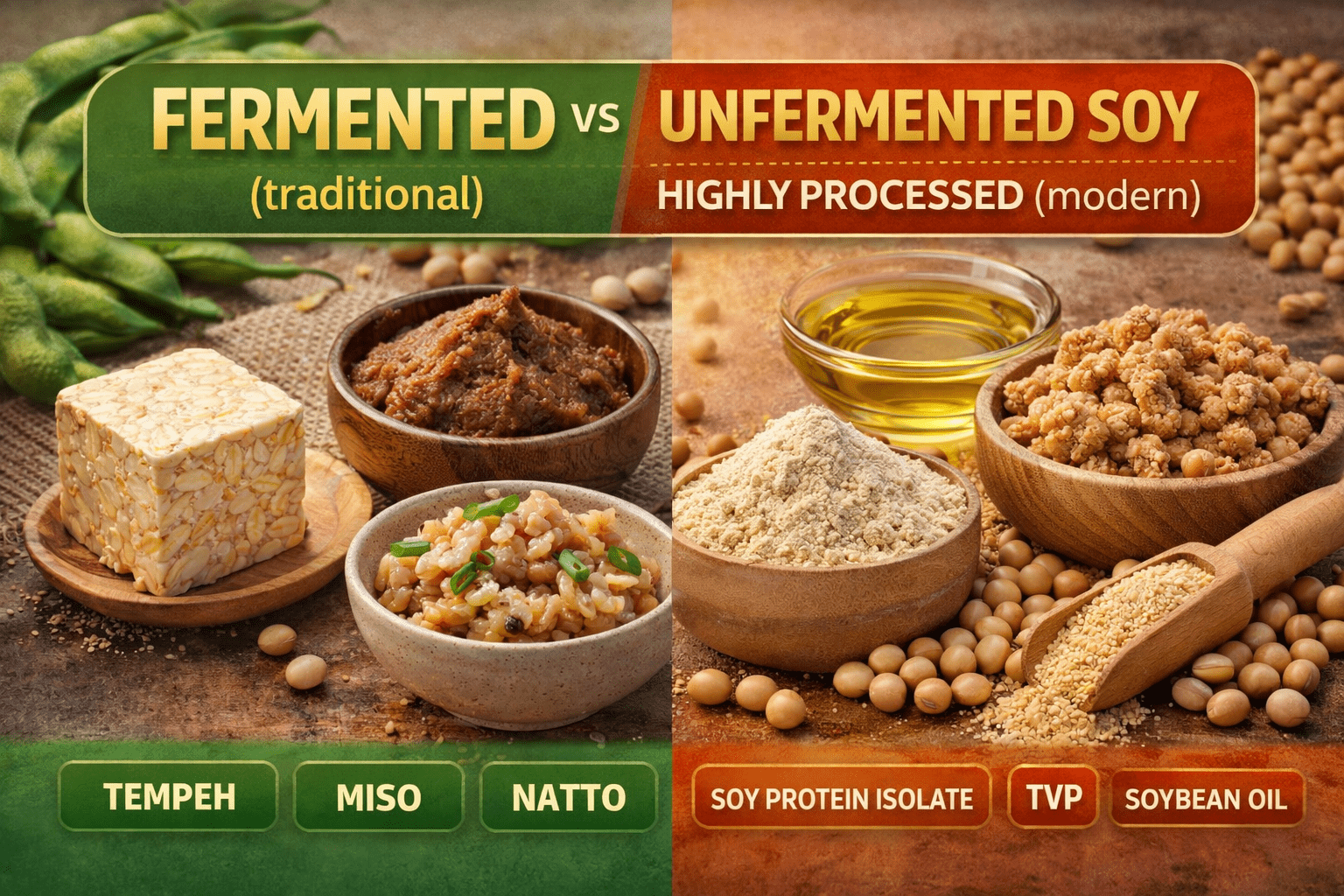
Traditionally fermented soy (generally better tolerated):
Tempeh
Miso
Natto
- Tofu is not fermented soy, but it is less processed than soy protein isolates and other industrial soy ingredients.
Just to explain >>> Fermentation:
Breaks down antinutrients (substances in raw soy that can make nutrients harder to absorb)
Improves mineral absorption
Reduces digestive stress
Unfermented, highly processed soy (the modern problem):
Soy protein isolate
Soy flour
Soybean oil
TVP
Hidden soy additives
These forms are linked to digestive issues, mineral absorption problems, and potential hormone disruption—especially when eaten frequently.
Hidden Names for Soy (Quick Reference)
Soy often appears under names like:
Soy protein isolate
Soy lecithin
Vegetable protein
Textured vegetable protein (TVP)
Hydrolysed vegetable protein
Soybean oil
This makes it very difficult to avoid—especially on a budget.
For more on hidden ingredients in everyday foods and how they can affect children, see our post on Stevia: Is It Really a Healthy Sugar Alternative?
👉Why This Matters for Families👈
Our children grew up outdoors, on farms, with home-cooked food and minimal junk.
And yet soy still found its way in.
This isn’t about blaming parents. It’s about recognising how modern food systems quietly change childhood exposure—often without consent or clear information.
Soya and Hormones: What We Learned as a Family
We didn’t eliminate soy entirely. However we:
Reduced processed foods
Avoided soy protein isolate where possible, and soy milk
Chose non-soy oils
Treated fermented soy as a weekly food, not a staple
Most importantly, we paid attention.
Final Thoughts
I’m not claiming soy is the sole cause of early puberty or hormonal changes. Human health is never that simple.
But dismissing soy as harmless—especially in its modern, industrial form—doesn’t reflect the reality of how much of it children are consuming today.
Awareness is not alarmism. It’s parenting.


